Darajani Market
Zanzibar, Tanzania
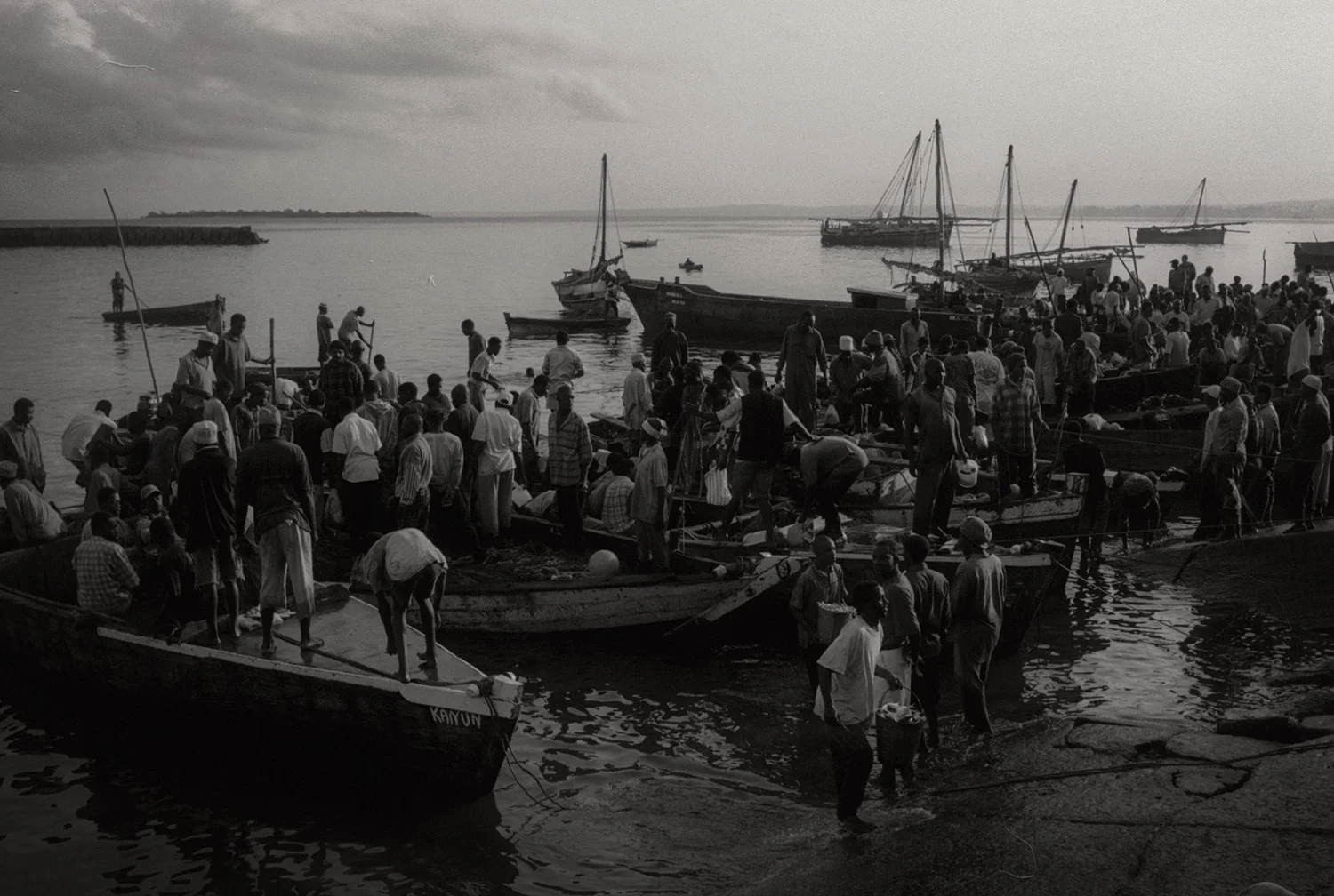
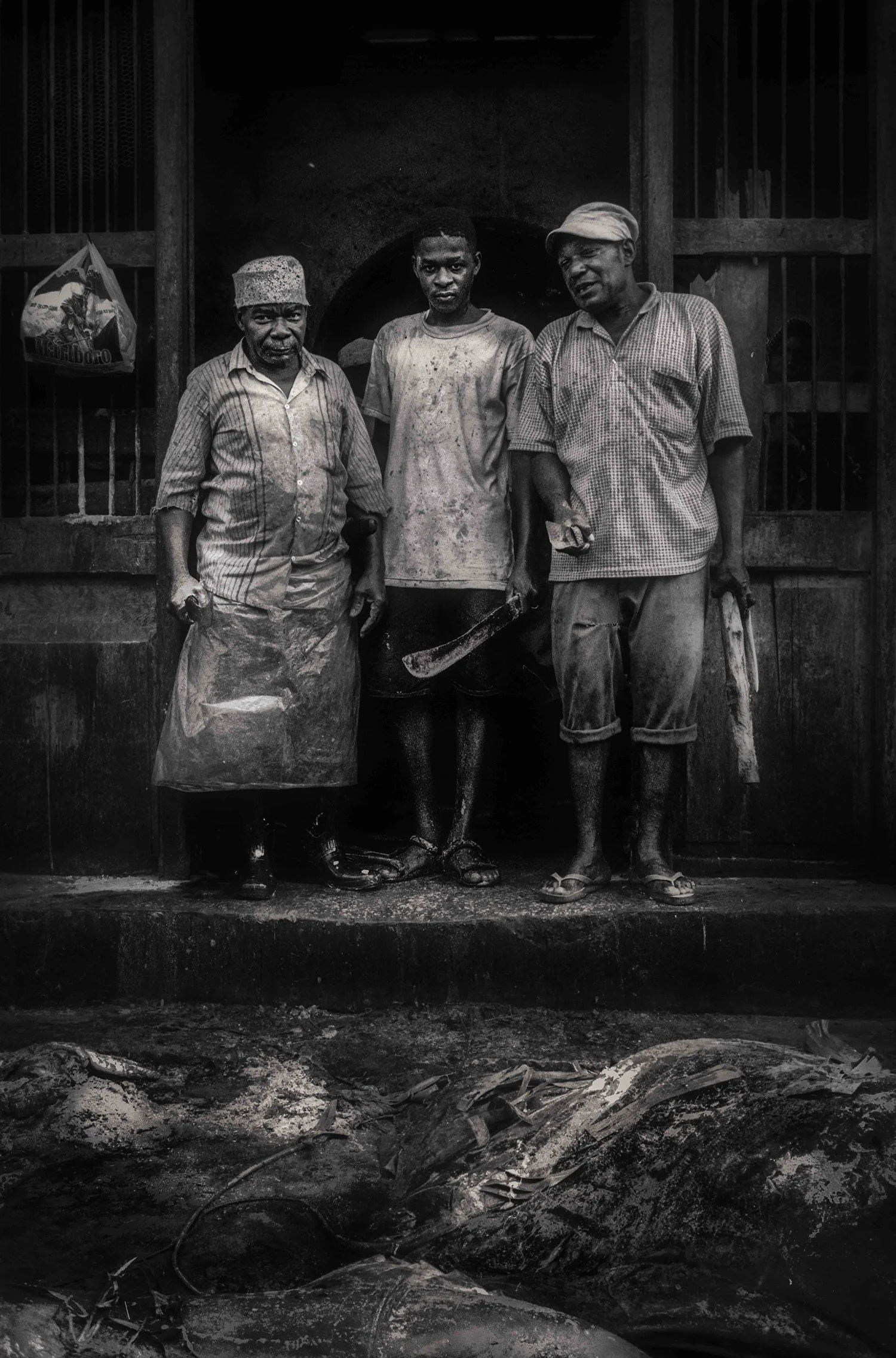
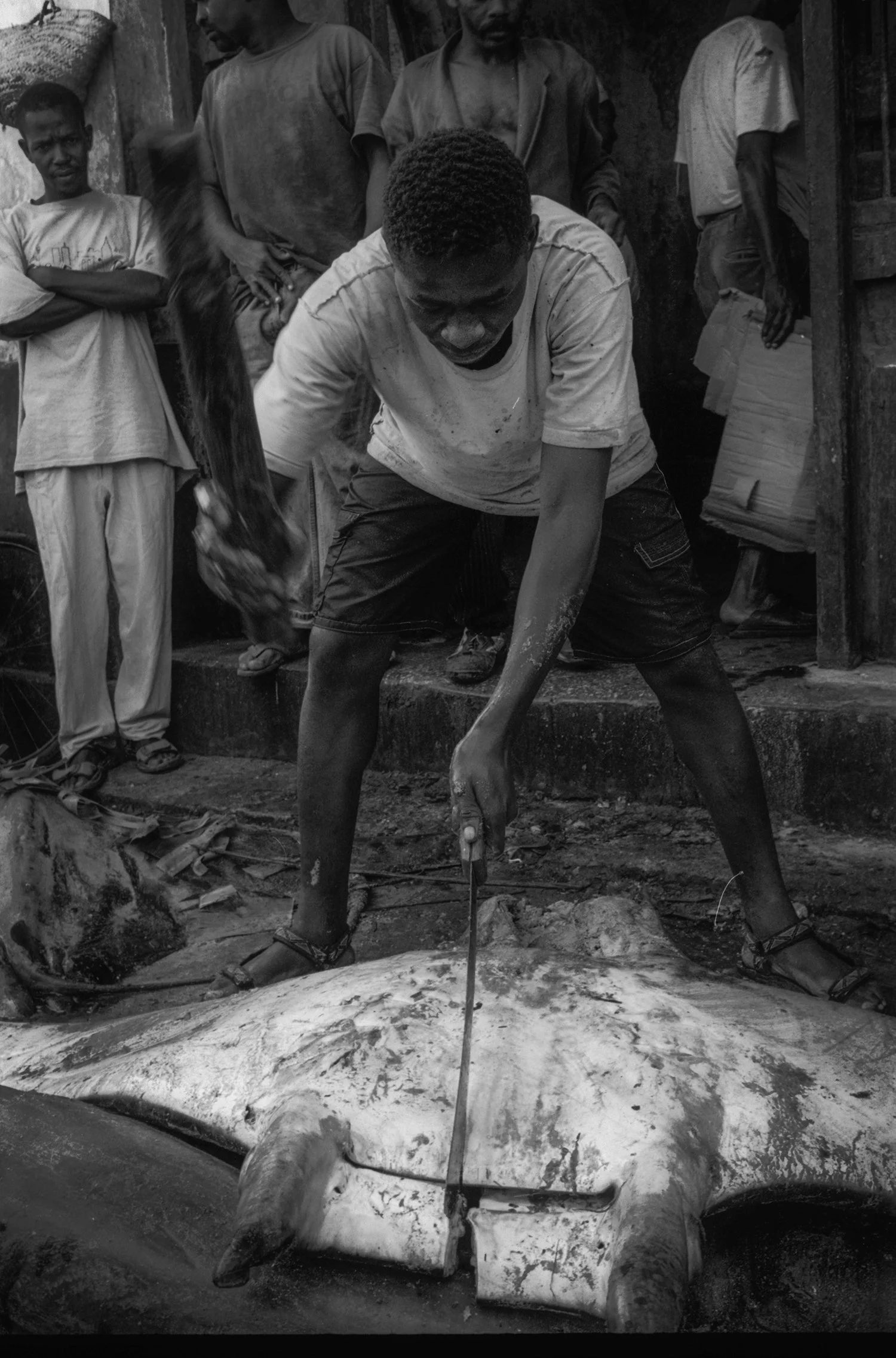
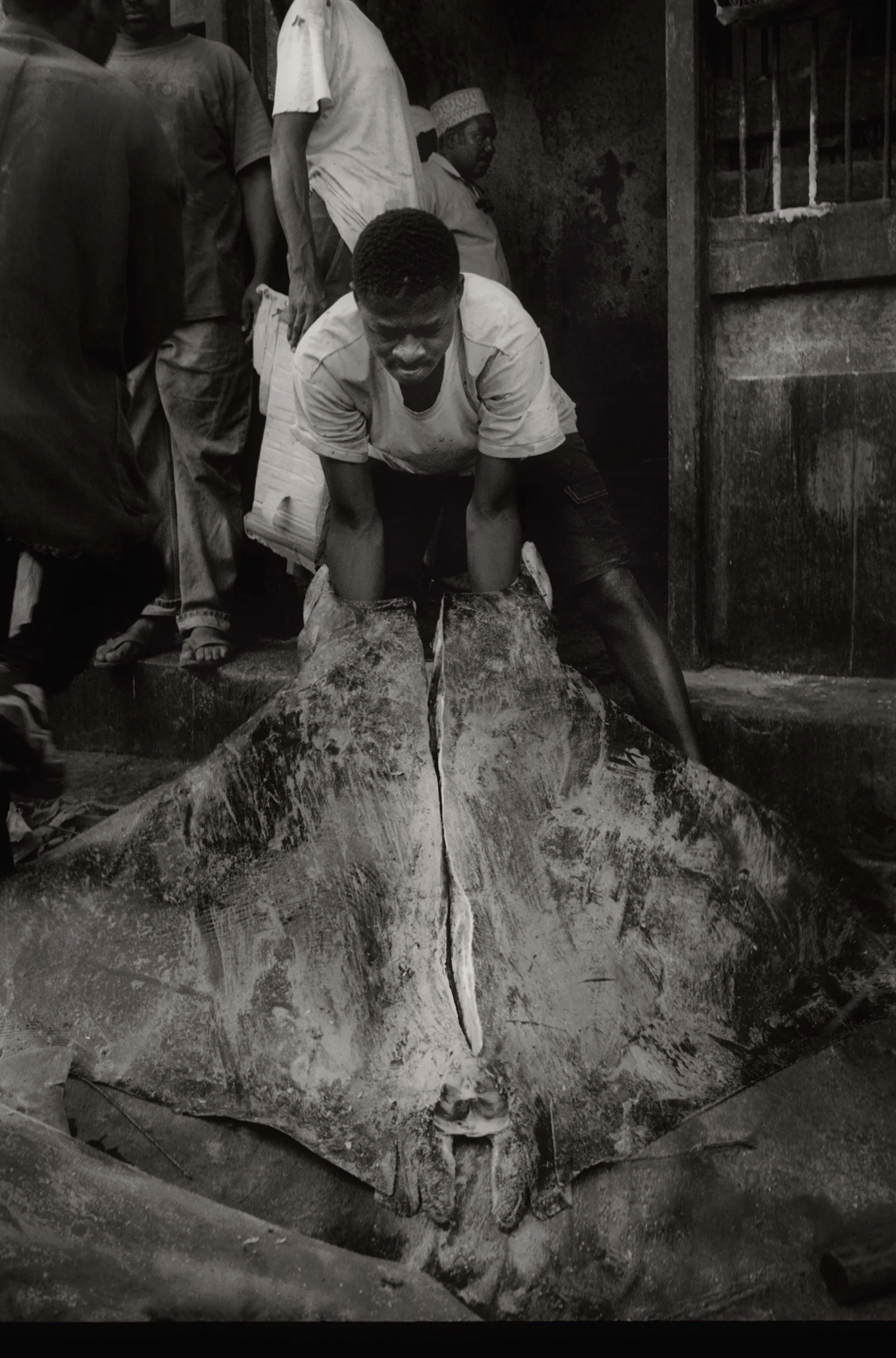
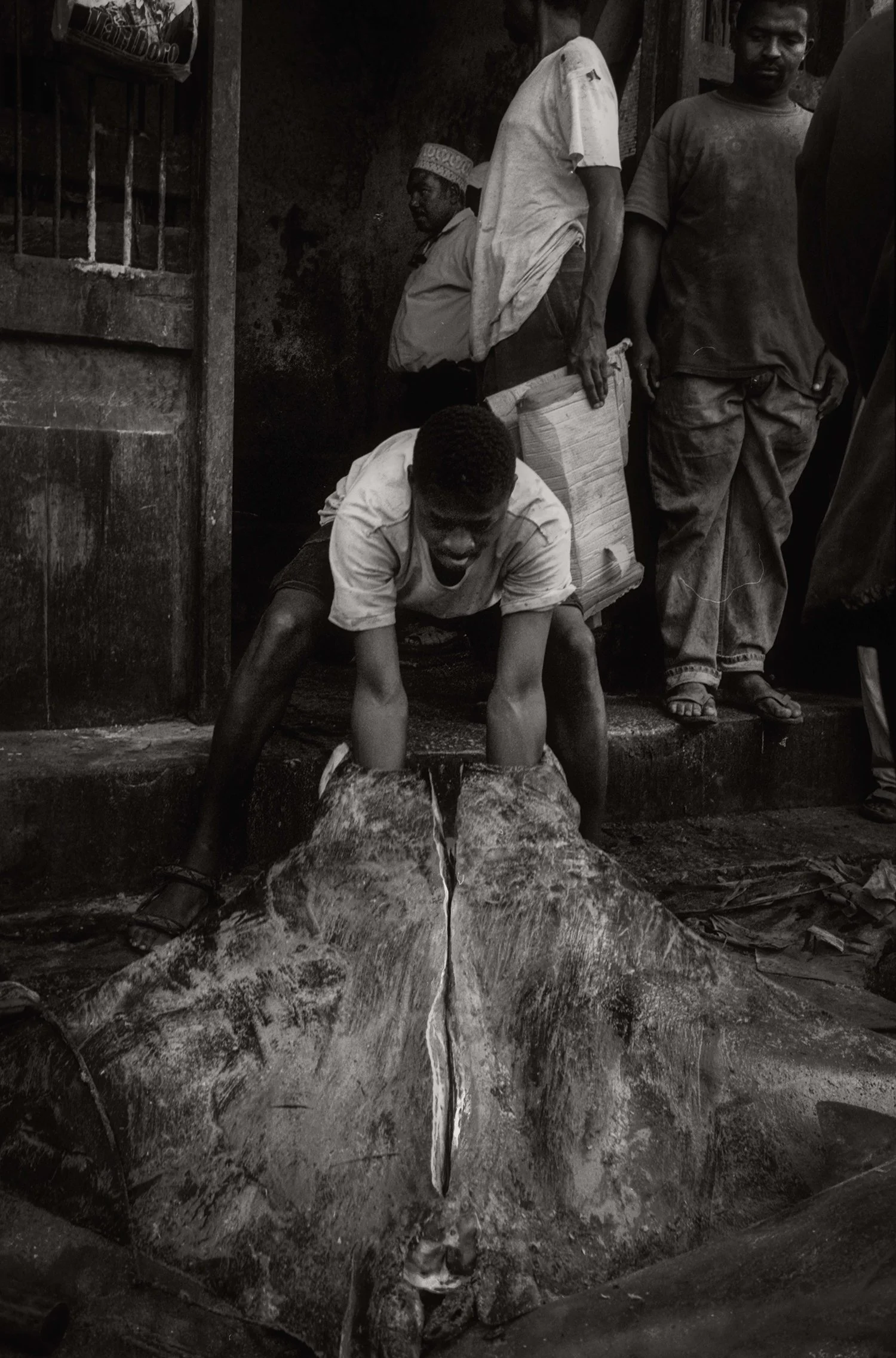
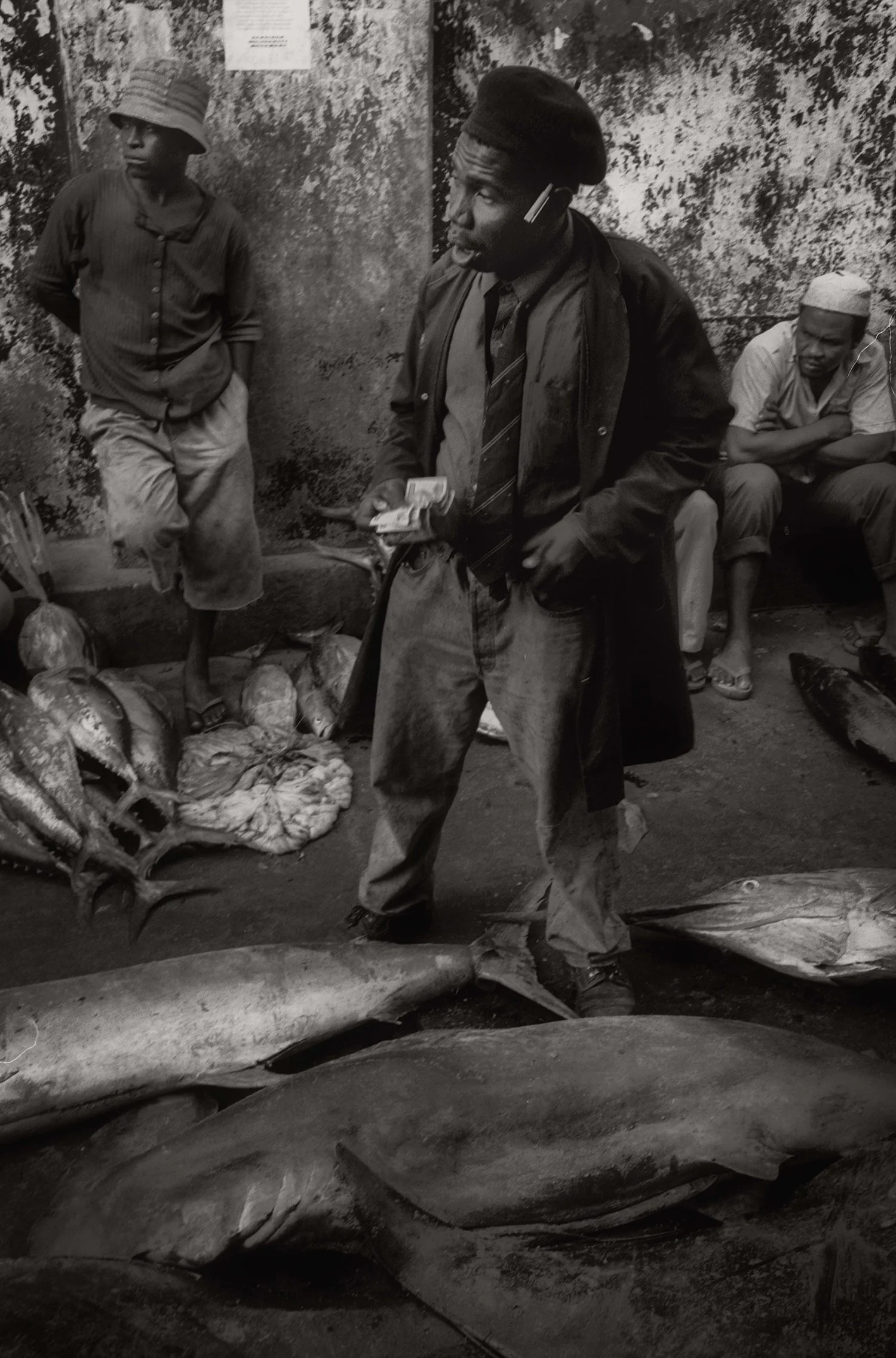
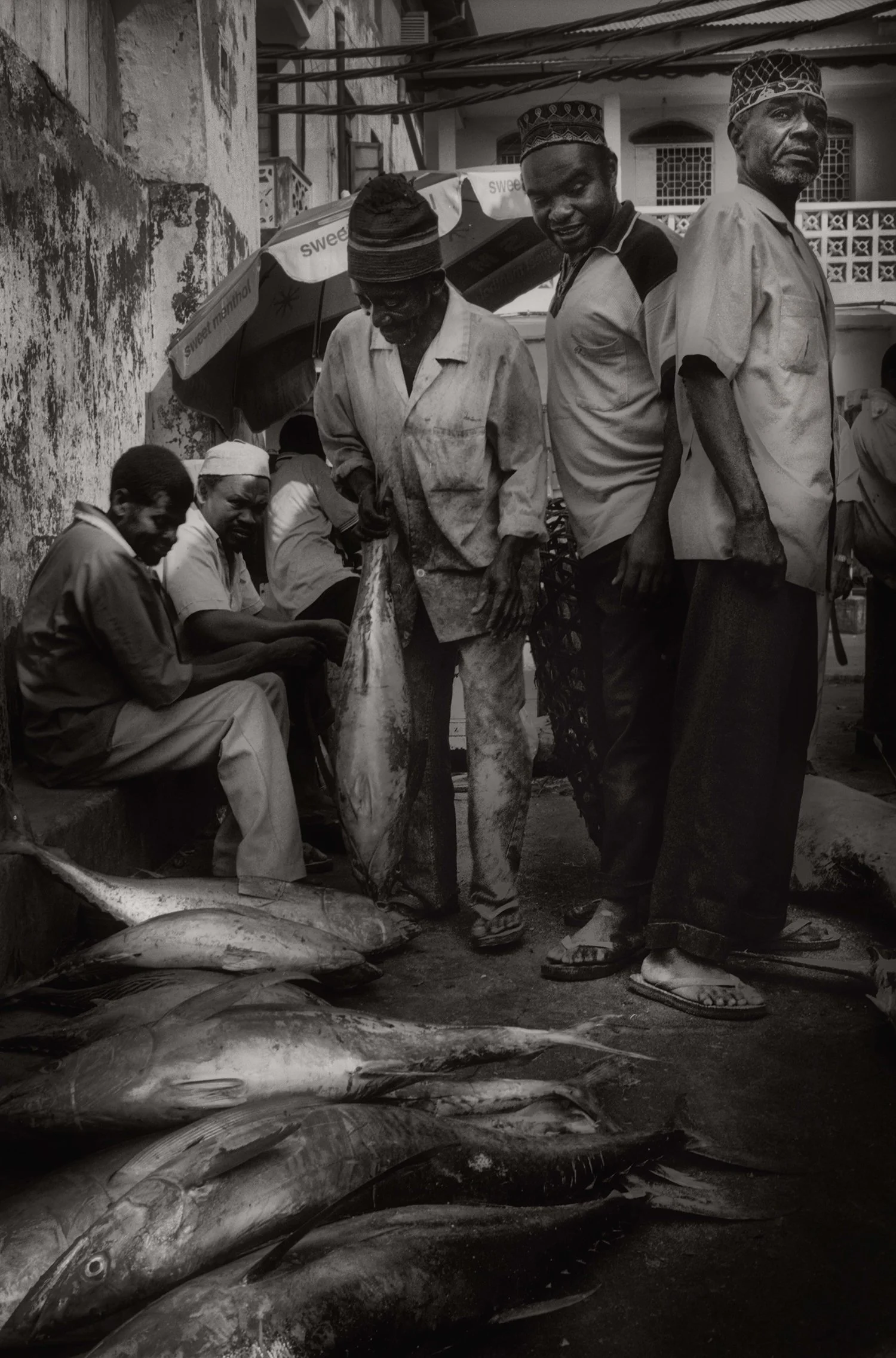
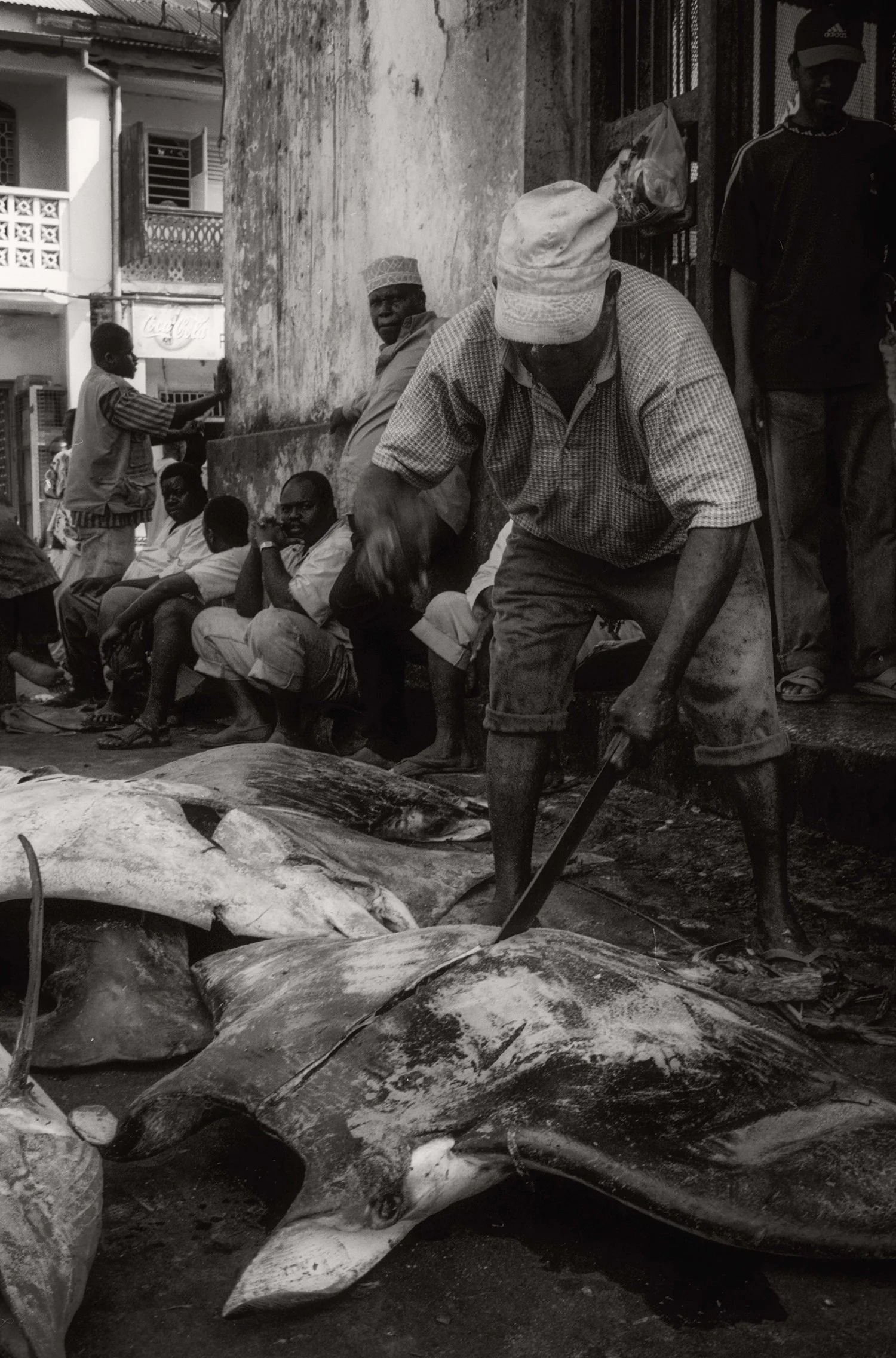
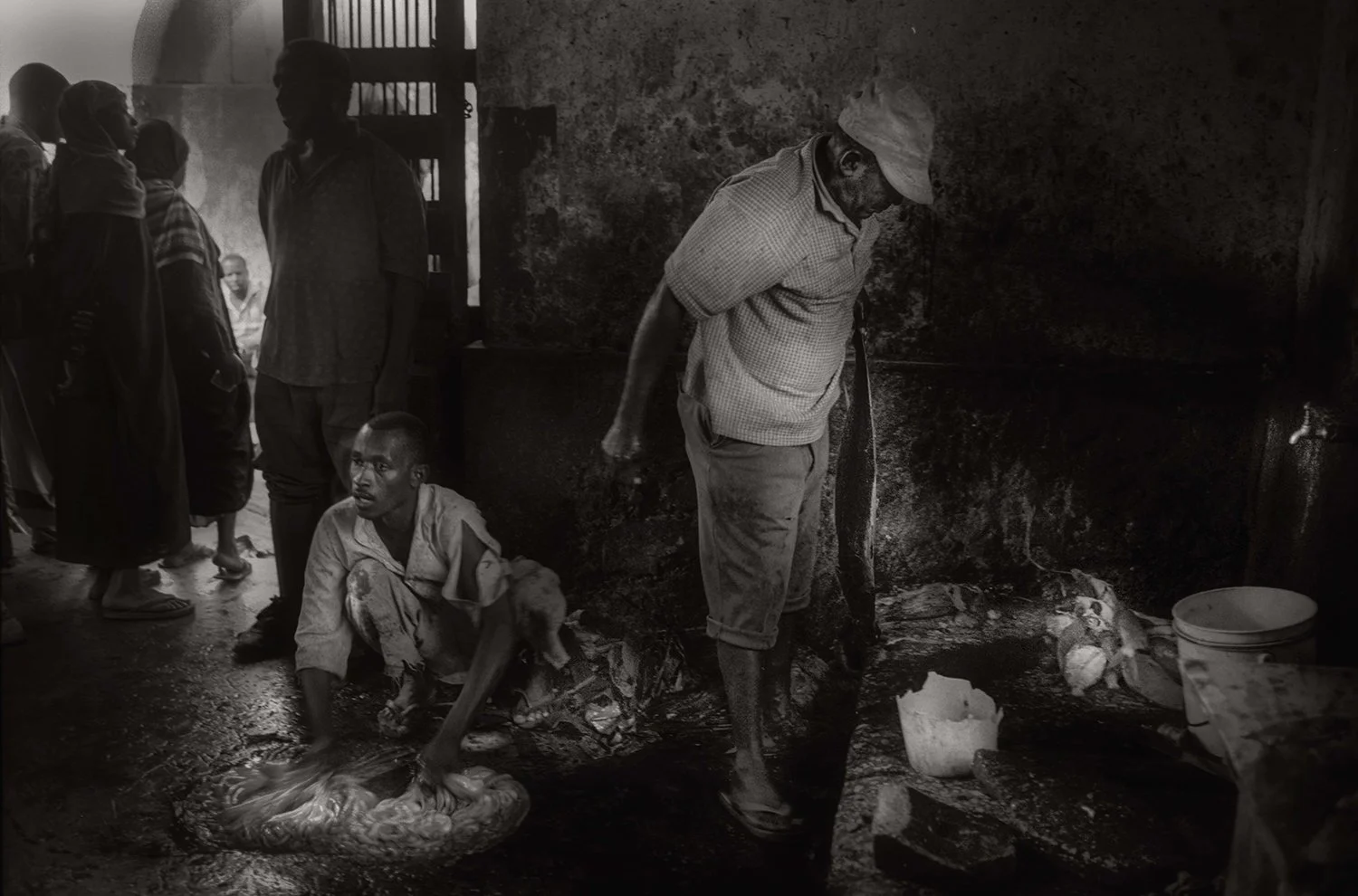
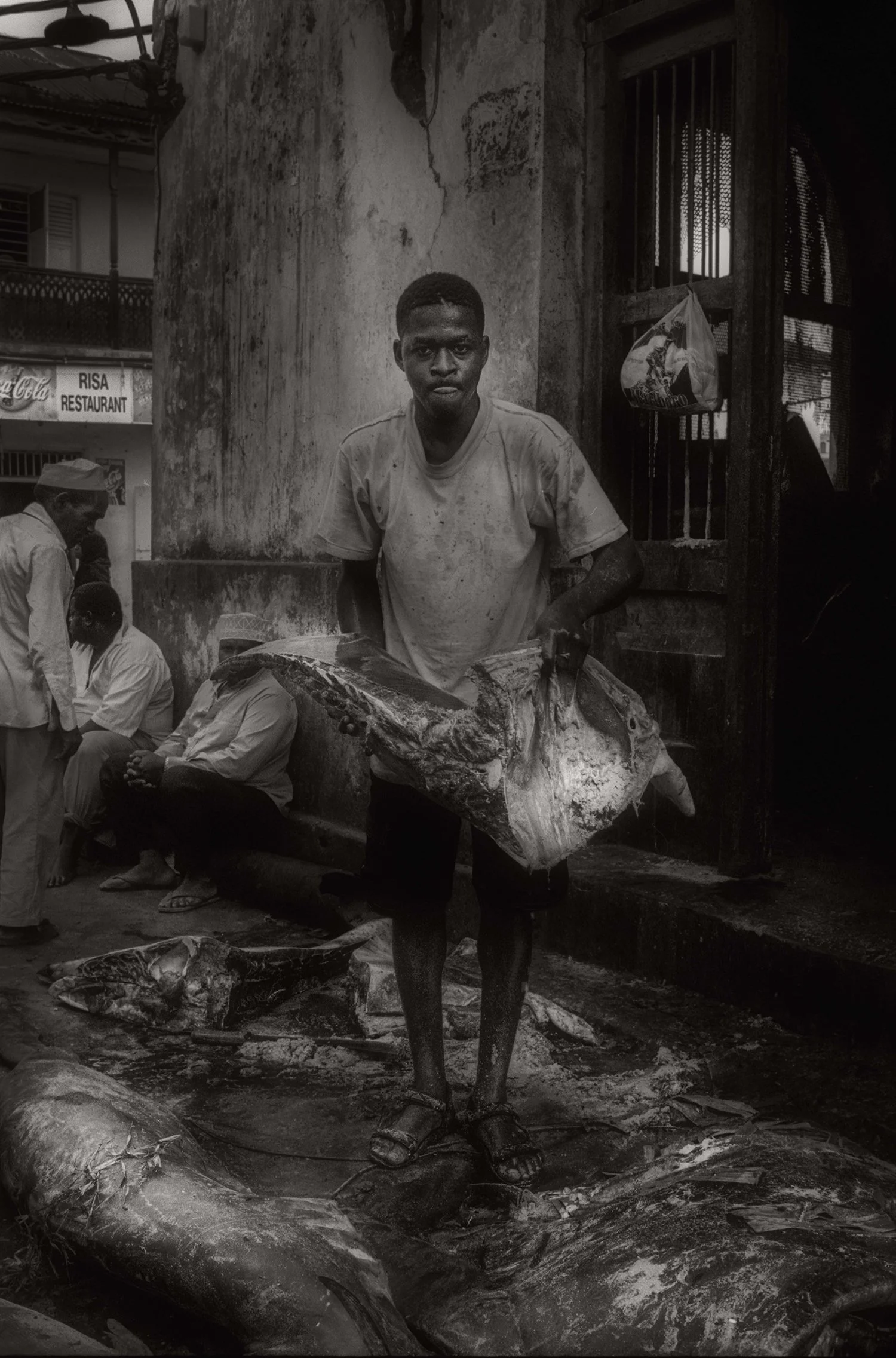
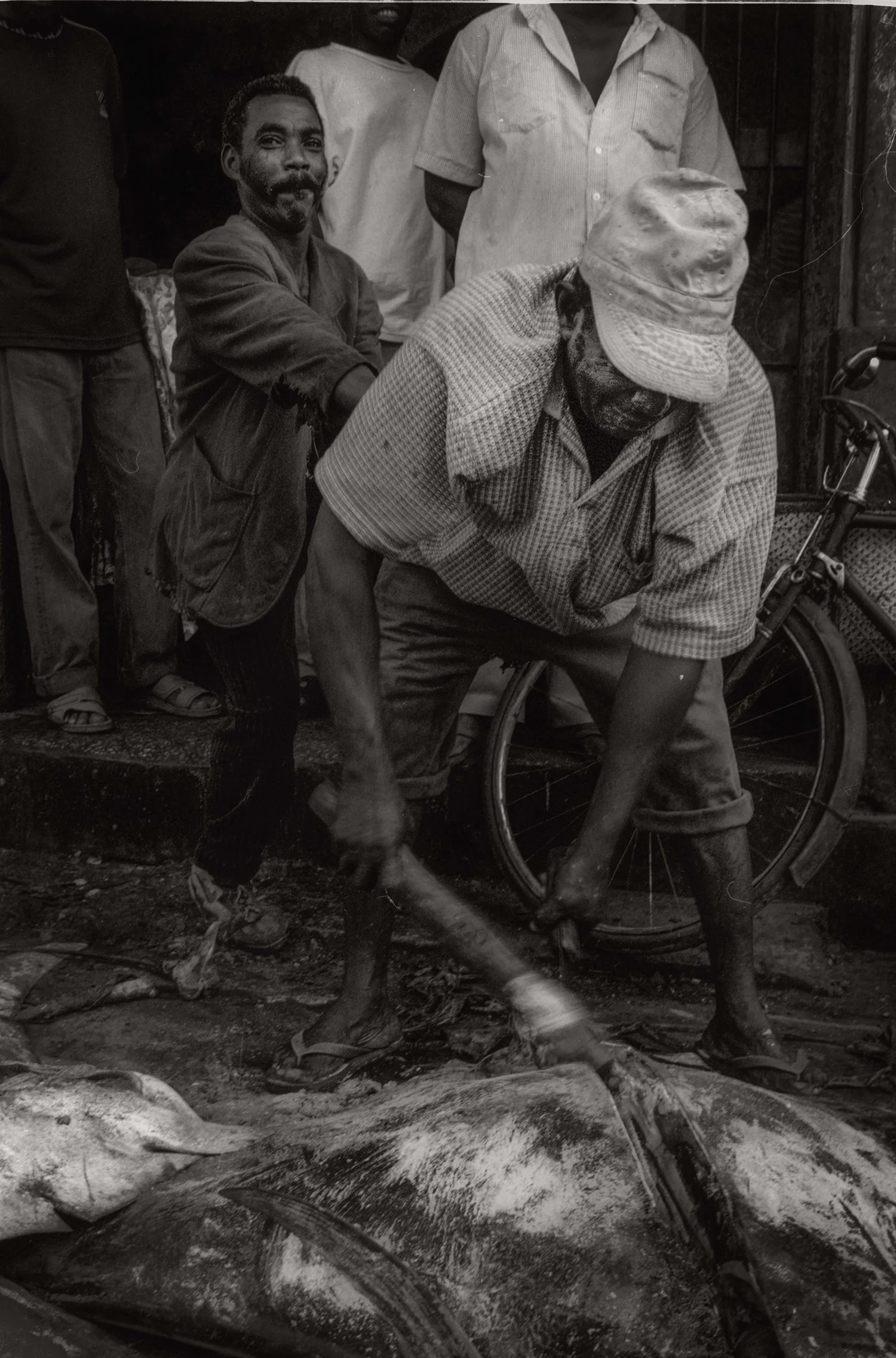
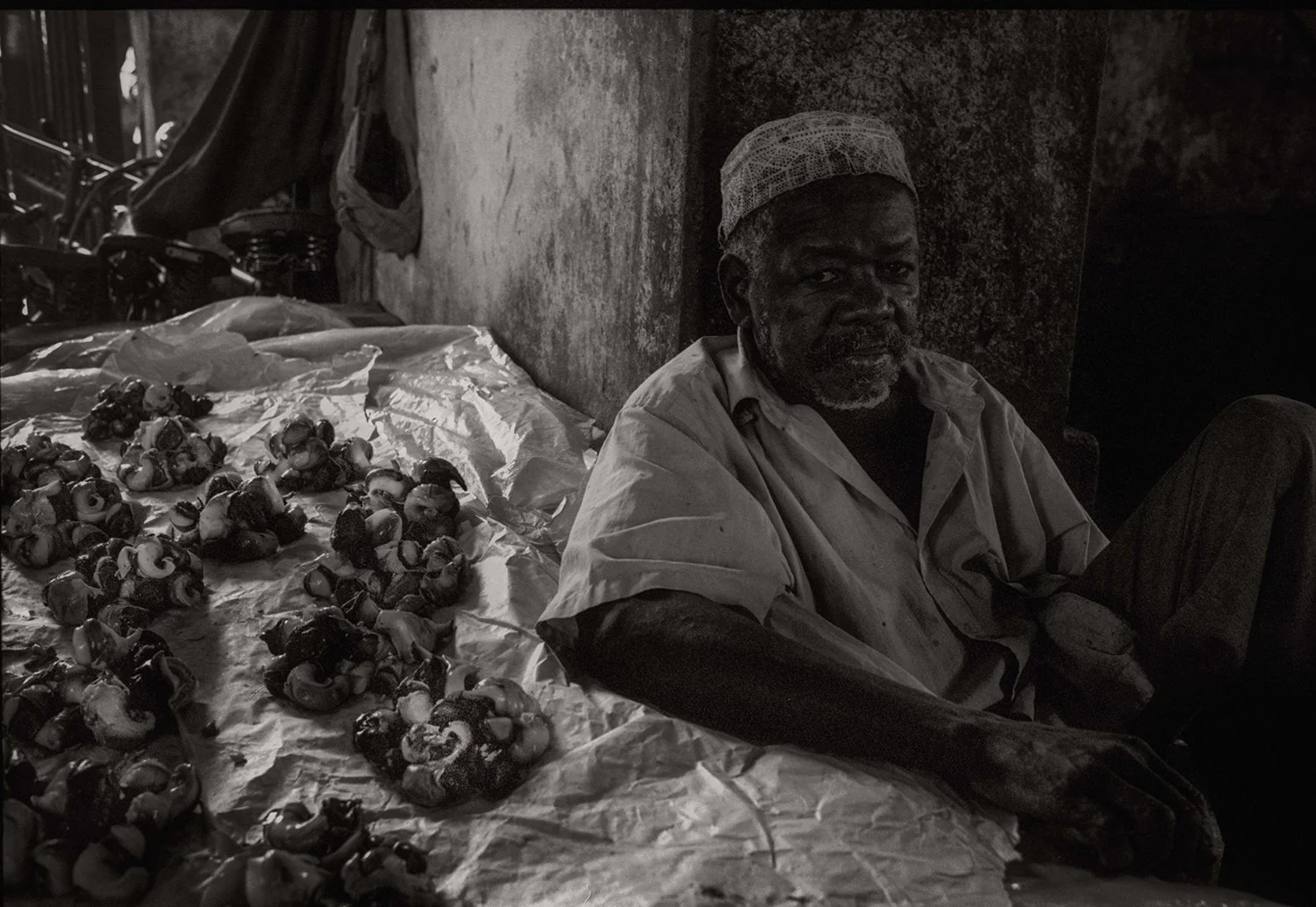
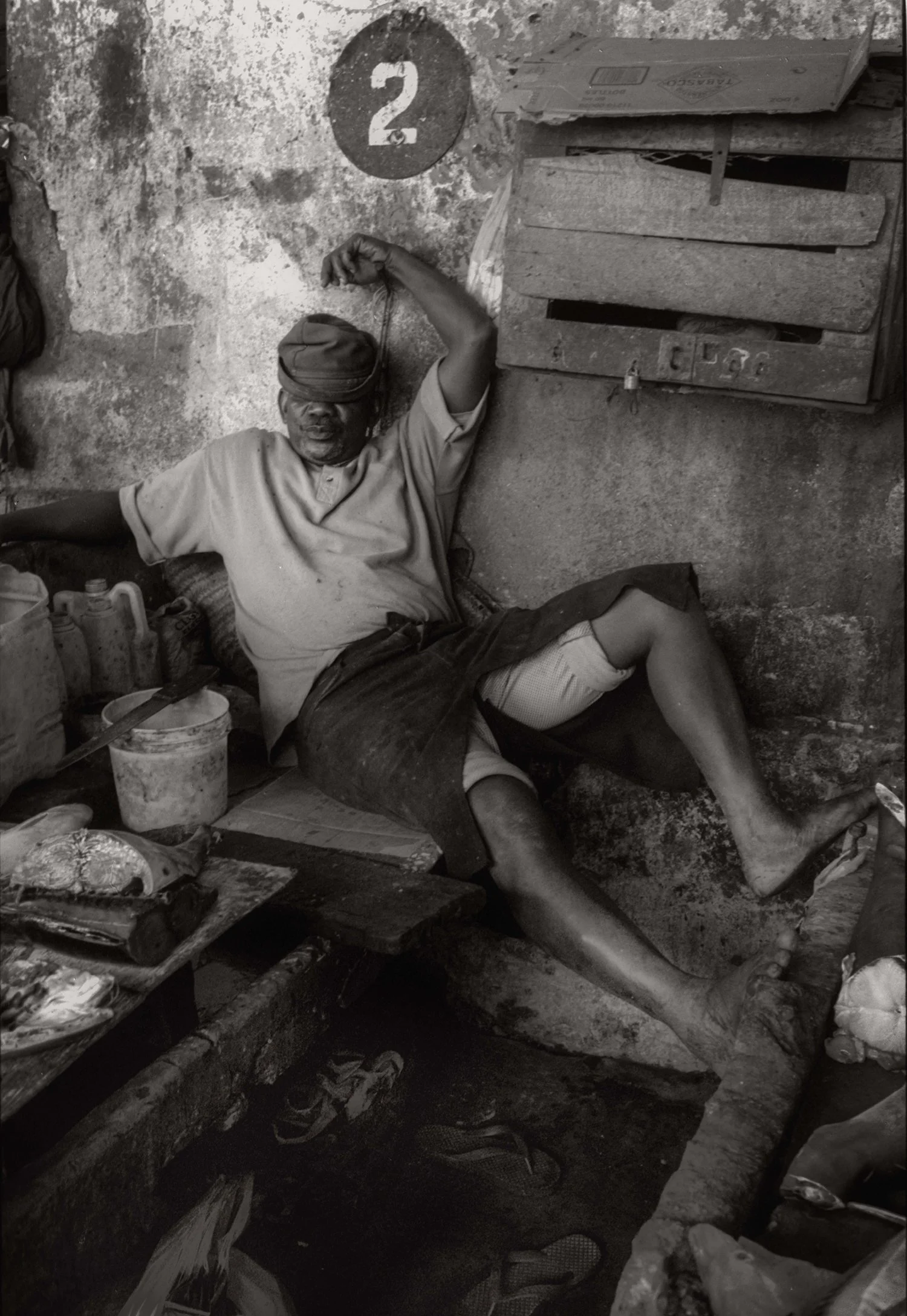
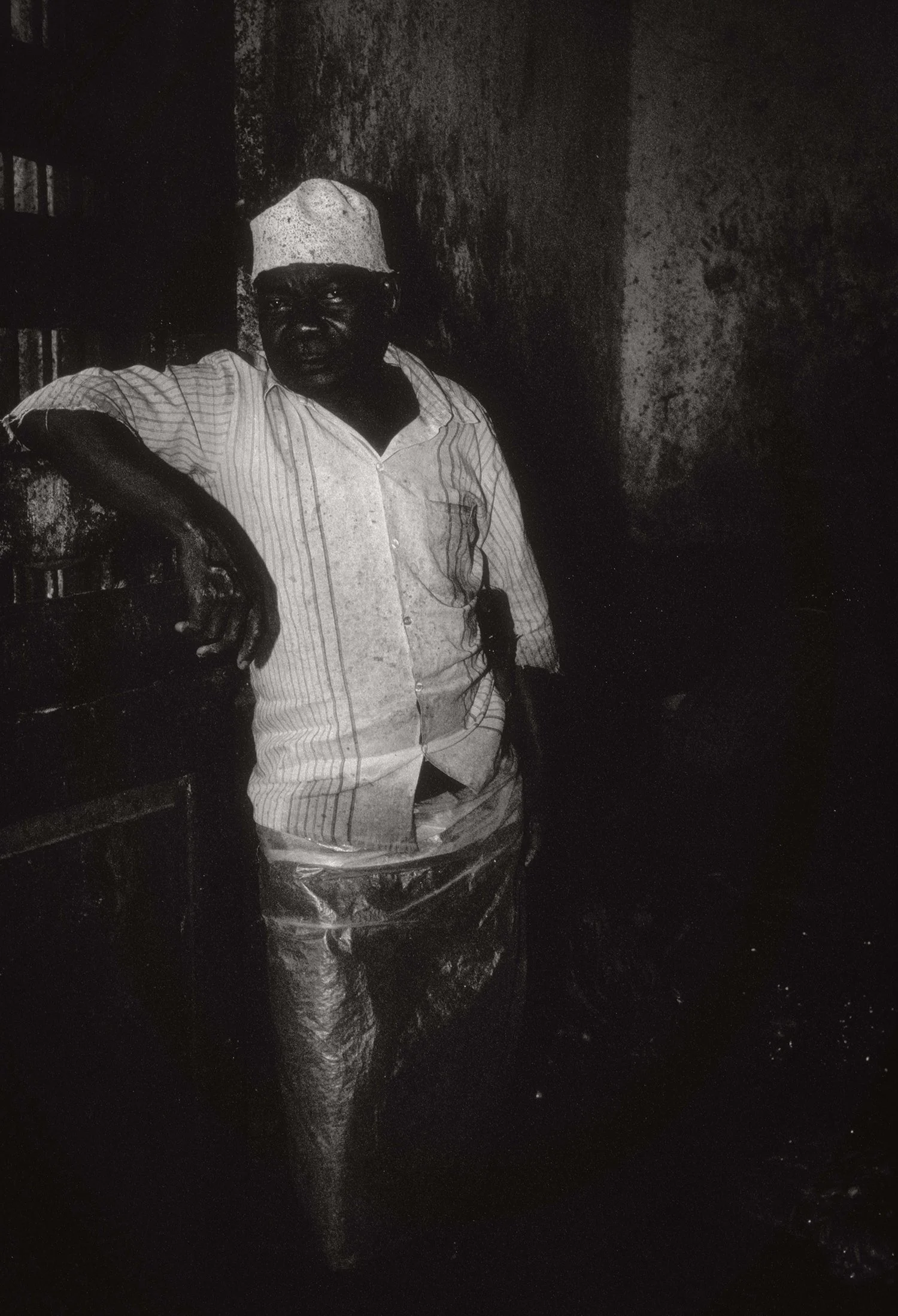
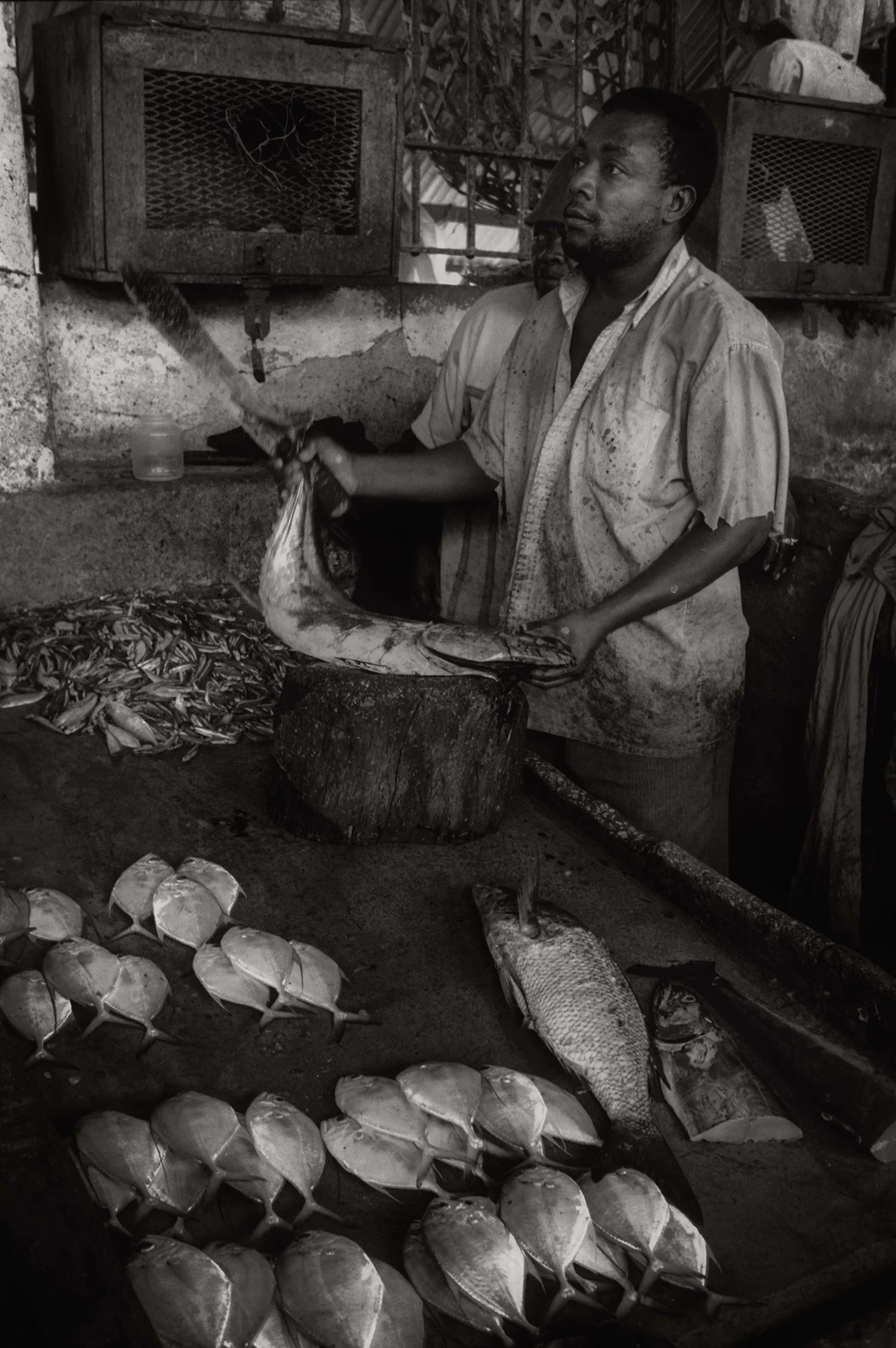
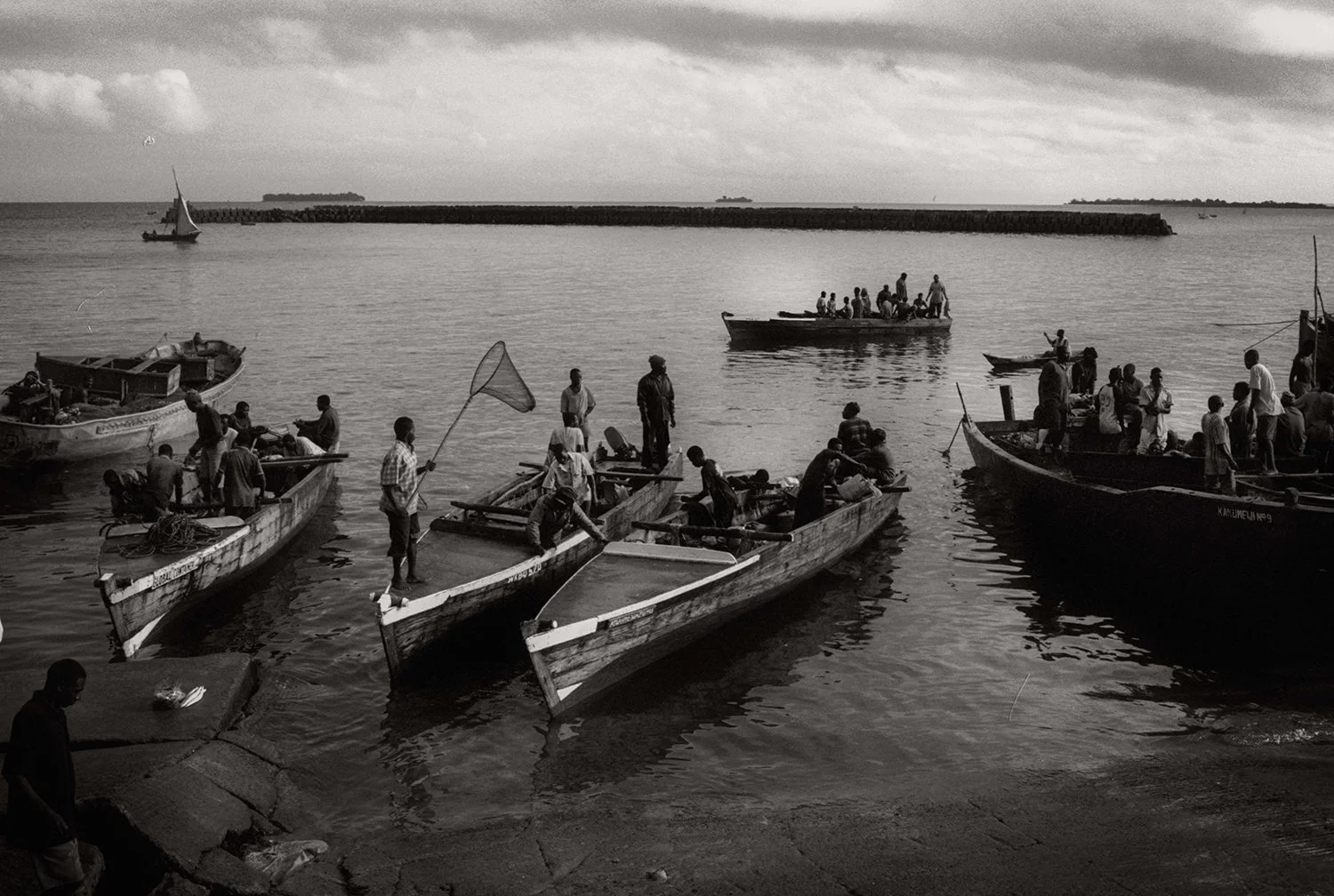
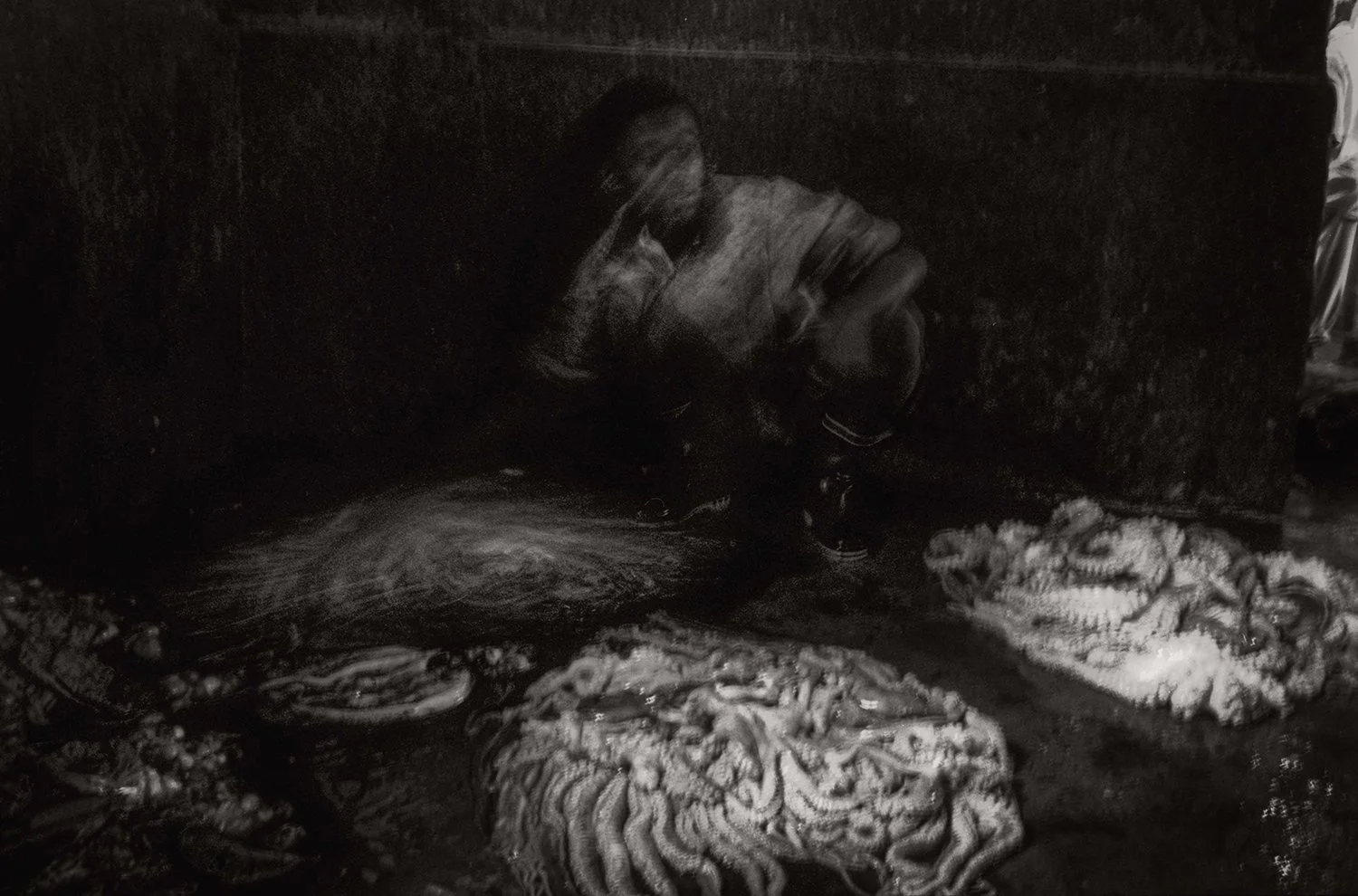
Darajani Market is a hub of life and labor. Behind the scenes, workers tirelessly prepare the catch—tuna, barracuda, octopus, ray. Armed with machetes, wooden clubs, and the raw strength of their muscles, these men worked tirelessly behind the market, where the sun never reached. Built in 1904 for Sultan Ali bin Hamoud, the market’s legacy endures, celebrated nightly at Forodhani Night Food Market, where the day’s haul becomes a feast under the stars.
When you approach the surroundings of the market, the odors grow intense—very intense. The light is piercing, the humidity suffocating, and the heat—oh, the heat—is hot, very hot, even in the early morning.
I had no clear expectations as I crossed the threshold of the market’s grand old gates. But almost instantly, the heat seemed to fade, eclipsed by something else entirely: the smells. Outside, the pungent, fermenting stench of overripe mangoes clung to the air, but within moments, it yielded to a darker, heavier aroma—the morbid tang of dead meat. I had stumbled into the butcher section.
The scene was subdued, with little activity and even less meat. I moved through quickly, my mind briefly flashing to the surreal imagery of a Greenaway film. And then, without warning, the air shifted again. A bracing, almost briny scent enveloped me—a bold saltpeter note that seemed to settle in my very pores. I had entered the fish market.
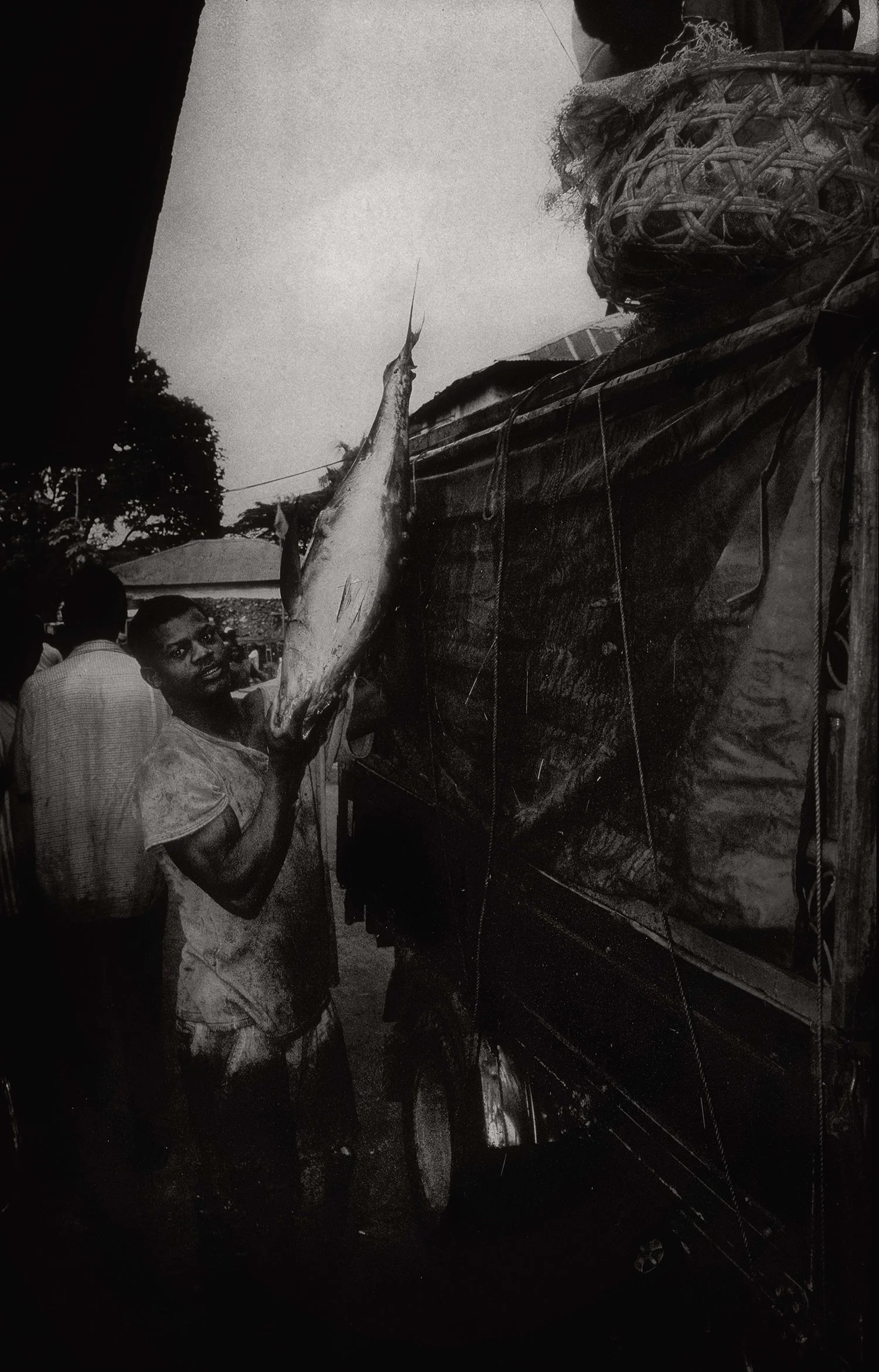
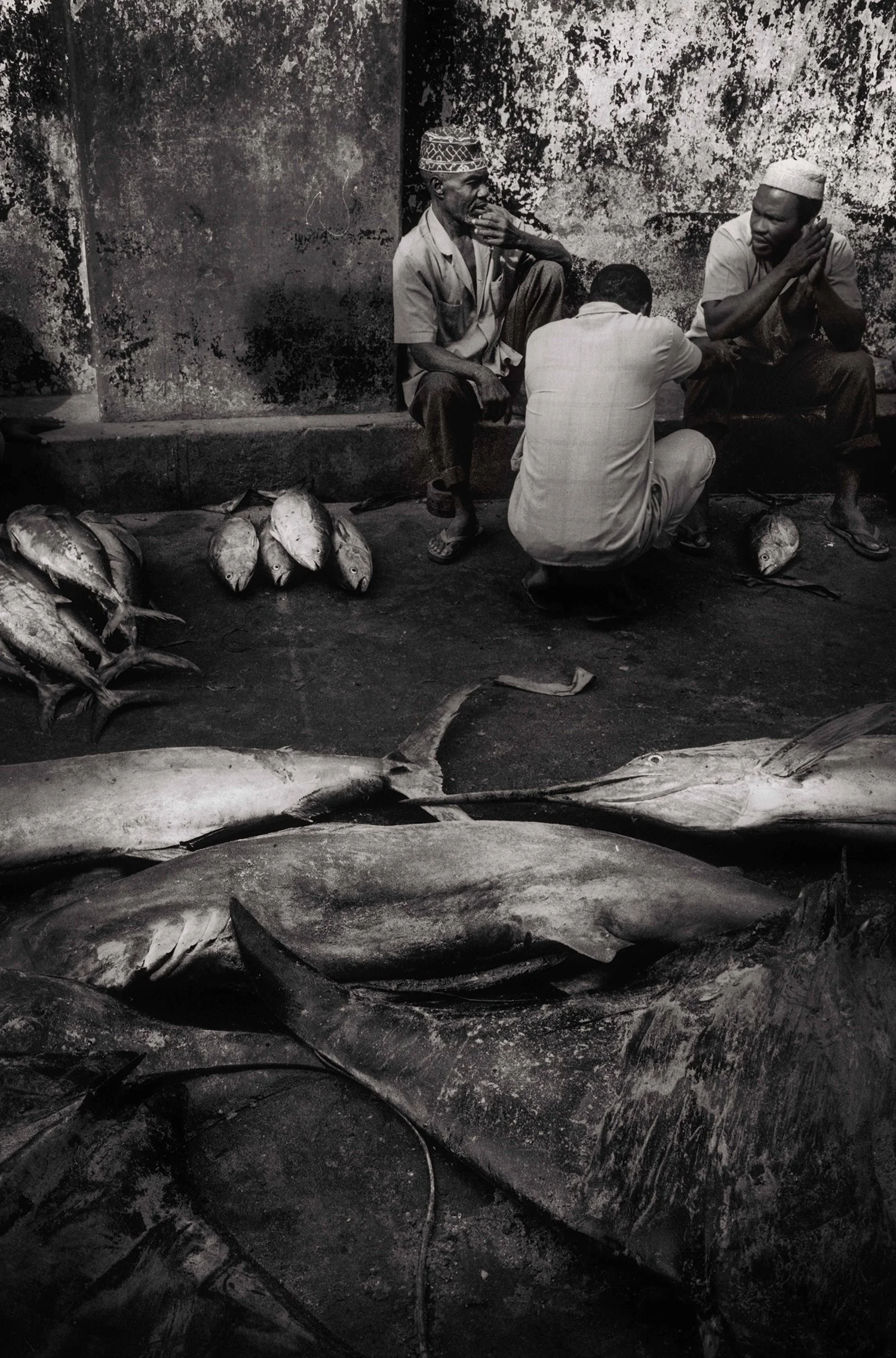
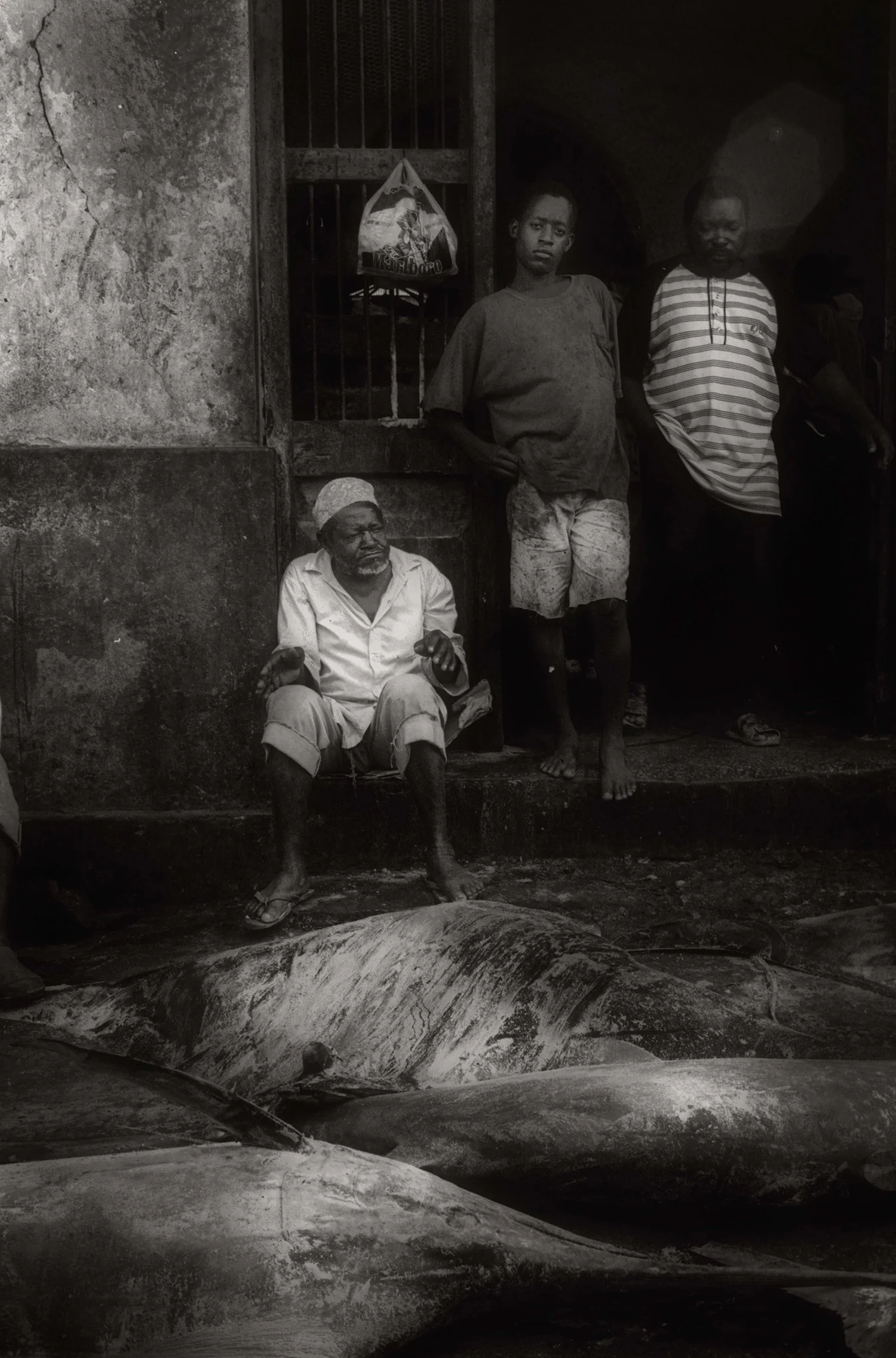
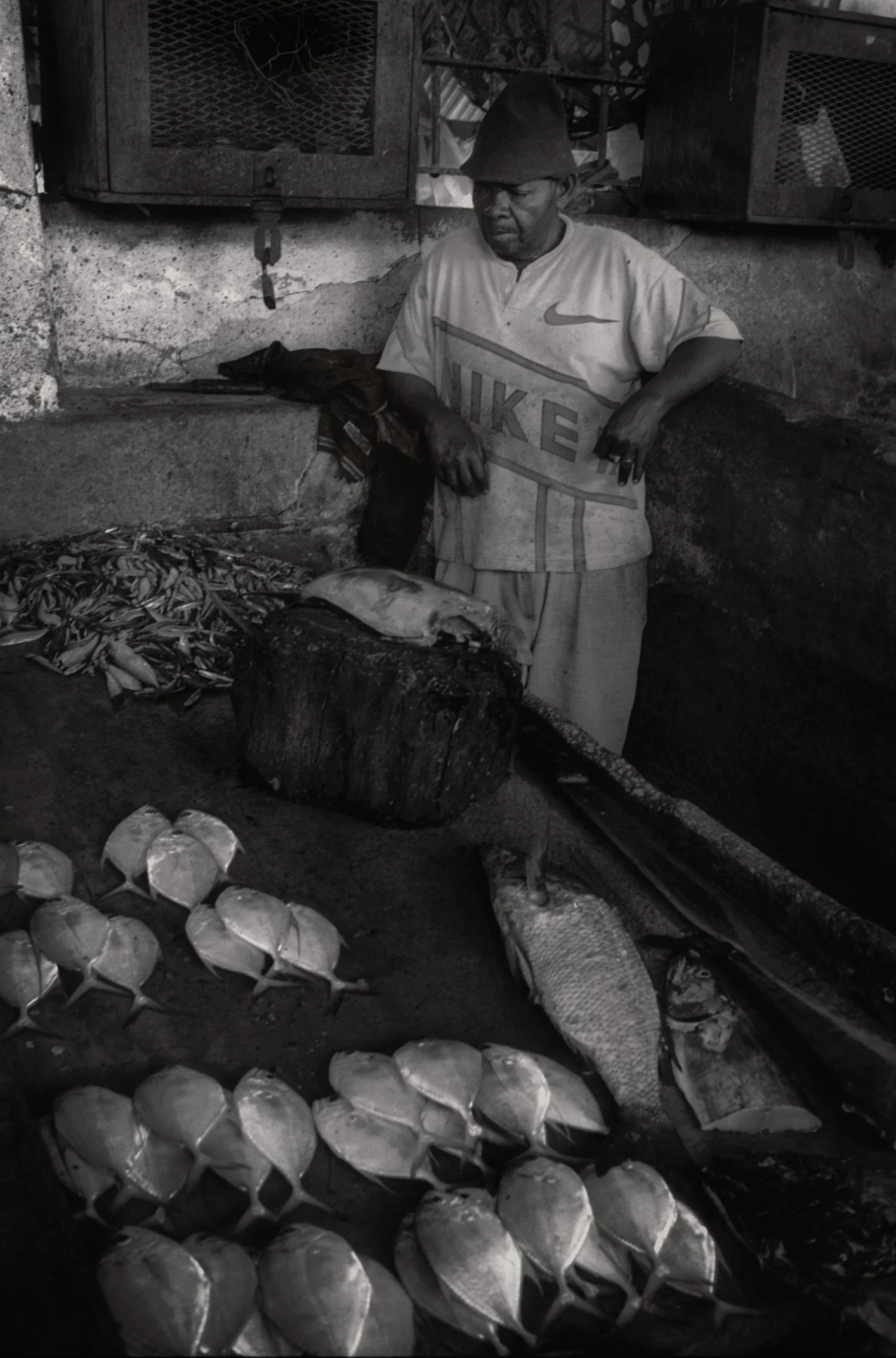
Here, the atmosphere was different. The alley stretched quiet and expectant, the fishmongers meticulously arranging their treasures from the sea. Few customers had arrived, and no tourists—not yet. It was still early. But in the shadows of the back doors, the market pulsed with life. Workers labored feverishly as fresh catches were hauled in, sorted, and prepared for display. Enormous bonefish, sleek rays, gleaming tuna, toothy barracuda, and tentacled marvels like octopuses and squid formed a dazzling mosaic of the ocean’s bounty.
Armed only with machetes, wooden clubs, and the raw strength of their muscles, these men worked tirelessly. Their tasks unfolded right there on the ground by the market’s back door, where the sun never reached. Blood and entrails mixed with water as they washed the surfaces clean. Auctioneers called out prices for the choicest pieces, their voices sharp and urgent. Throughout the day, customers came and went, some lingering, others—especially tourists—rushing past, noses wrinkled against the overwhelming smell.
The workers’ dedication was unwavering, as they toiled through the day, their effort palpable in every movement.
My gratitude goes to the workers of Darajani Market, who graciously allowed me to observe their world. Their strength, rhythm, and quiet dedication were nothing short of remarkable.
The Darajani Market’s iconic structure was erected in 1904 by Bomanjee Maneckjee at the behest of Sultan Ali bin Hamoud.
And if you wish to savor the fruits of this labor, head to the Forodhani Night Food Market, where the day’s catch transforms into a feast beneath the stars.